Track Health Events Without Obsessing: A Calmer Approach to Medical Tracking
When did you last take your iron supplement? How many days since your last migraine? When was your last blood test? How long has it been since that weird rash flared up?
Health tracking should be simple: record when something happens, see how long it has been. But most health apps want to be your entire medical record. They ask for symptoms, severity ratings, mood scores, sleep data, food logs, and a dozen other inputs that turn a quick check into a chore.
Sometimes all you need is a day counter.
The Problem With Over-Tracking Health
Complex health apps create two problems:
-
Data entry fatigue. If logging takes more than a few seconds, you stop doing it. A study by the Journal of Medical Internet Research found that health app engagement drops 80% within two weeks of download — mostly because data entry feels like work.
-
Health anxiety. Detailed symptom tracking can make you hyperaware of every sensation. For people with health anxiety, this is counterproductive. You want awareness, not obsession.
💡 The minimum effective dose of tracking
For most health events, you only need to know one thing: how long has it been since the last one? That single data point — days since — is enough to spot patterns, stay on schedule, and give your doctor useful information.
What a Day Counter Handles Beautifully
Medication Tracking
"Did I take my pill today?" is the most common health tracking question. For daily medications, a day counter shows "0 days" (taken today) or "1 day" (missed yesterday). For periodic medications like weekly injections or monthly supplements, the threshold tells you when the next dose is due.
Daily medication
Set a 1-day threshold. If the counter shows anything other than 0, you missed a dose. Simple.
Periodic medication
Weekly injection? Set a 7-day threshold. Monthly supplement? 30 days. The visual drift shows you exactly where you stand.
Symptom Flare-Up Tracking
Migraines, IBS episodes, eczema flares, joint pain, allergic reactions — for chronic conditions, knowing the frequency of flare-ups is valuable information for your doctor.
A day counter shows: "It has been 12 days since my last migraine." Over time, you build a picture. If your migraines used to come every 20 days and now they are every 8, that is a pattern worth discussing with your doctor. If a new treatment pushed them from every 10 days to every 30, you can see the improvement.
Doctor and Specialist Visits
Annual physical. Bi-annual dentist. Quarterly blood work. Eye test every two years. Dermatology check annually.
These long-interval appointments are the easiest to forget and the most important to keep. A day counter with a 365-day threshold for annual visits means you never look up and realise it has been three years since your last check-up.
Period and Cycle Tracking
Many period tracker apps collect enormous amounts of personal data — and some have faced serious privacy controversies. If all you need is "when did my last period start" and "how long has it been since," a general-purpose day counter is a private, simple alternative.
✨ Privacy matters
Lapsed stores your data locally on your device. There is no social network, no data selling, no account required for basic use. For sensitive health information, privacy should not be optional.
Recovery and Post-Surgery Tracking
After surgery, injury, or illness, tracking recovery milestones matters. "Days since surgery," "days since last physiotherapy session," "days since stitches removed" — these data points help you and your medical team assess your recovery trajectory.
Health Tracking That Respects Your Time
The best health tracker is one you actually use. If it takes 30 seconds to log something, you will do it. If it takes 3 minutes of symptom questionnaires, you will not.
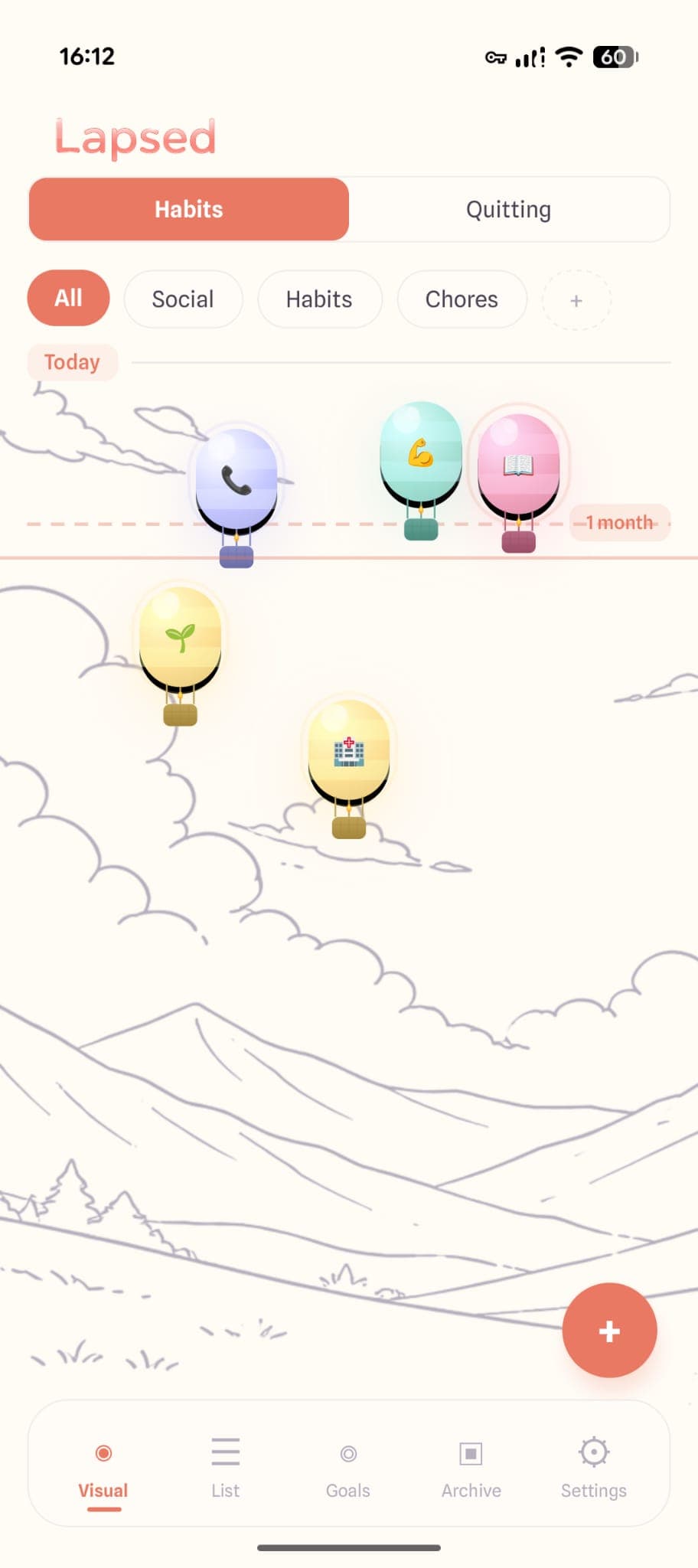
A visual day counter asks one thing: "Did this happen today?" Tap, done. The item snaps back to today. That is the entire interaction.
Over weeks and months, this builds a complete picture:
- How often your migraines occur
- Whether you are keeping up with medication
- When your next check-up is due
- How your symptom frequency is changing
All without spreadsheets, mood scales, or 15-field data entry forms.
Setting Up Health Tracking
Here is a practical setup:
- Medications — one item per medication, threshold set to the dosing interval
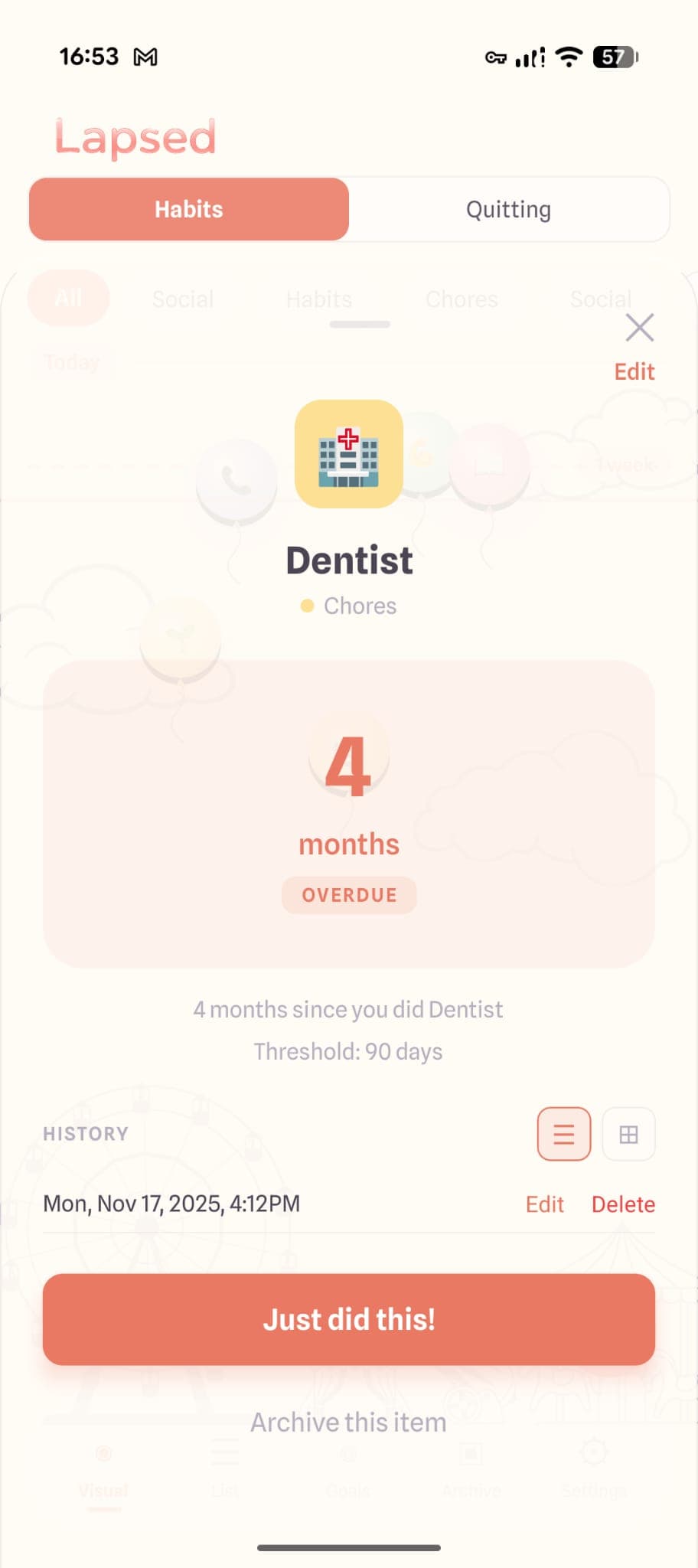
- Recurring appointments — dentist (180 days), eye test (730 days), physical (365 days)
- Symptom events — log each occurrence; the day counter shows time between episodes
- Preventive care — skin check (365 days), blood work (as recommended), vaccinations
💡 Talking to your doctor
When your doctor asks "how often do you get migraines?" you can show them your tracker instead of guessing. Visual data is more accurate than memory and more useful than vague estimates.
A Calmer Kind of Health Awareness
Health tracking should reduce anxiety, not create it. The right tool gives you confidence that nothing important is slipping — and permission to stop worrying about the things that are on schedule.
When you open your tracker and see that everything is near today's line, you can close it and move on with your day. That peace of mind is worth more than any complex health dashboard.
Health tracking, simplified
Track medications, appointments, symptoms, and more — with a single tap. No questionnaires, no over-tracking. Just a beautiful canvas showing what needs attention.
Learn more about why simple tracking works better than complex systems, or read about the power of visual tracking.
Your health at a glance
Medications, appointments, symptoms — all on one calm, visual canvas. Track what matters without tracking everything.
Written by Lapsed
The beautiful days since tracker. Track your life visually.
Related Articles
Days Since Tracker vs Habit Tracker: Which Do You Actually Need?
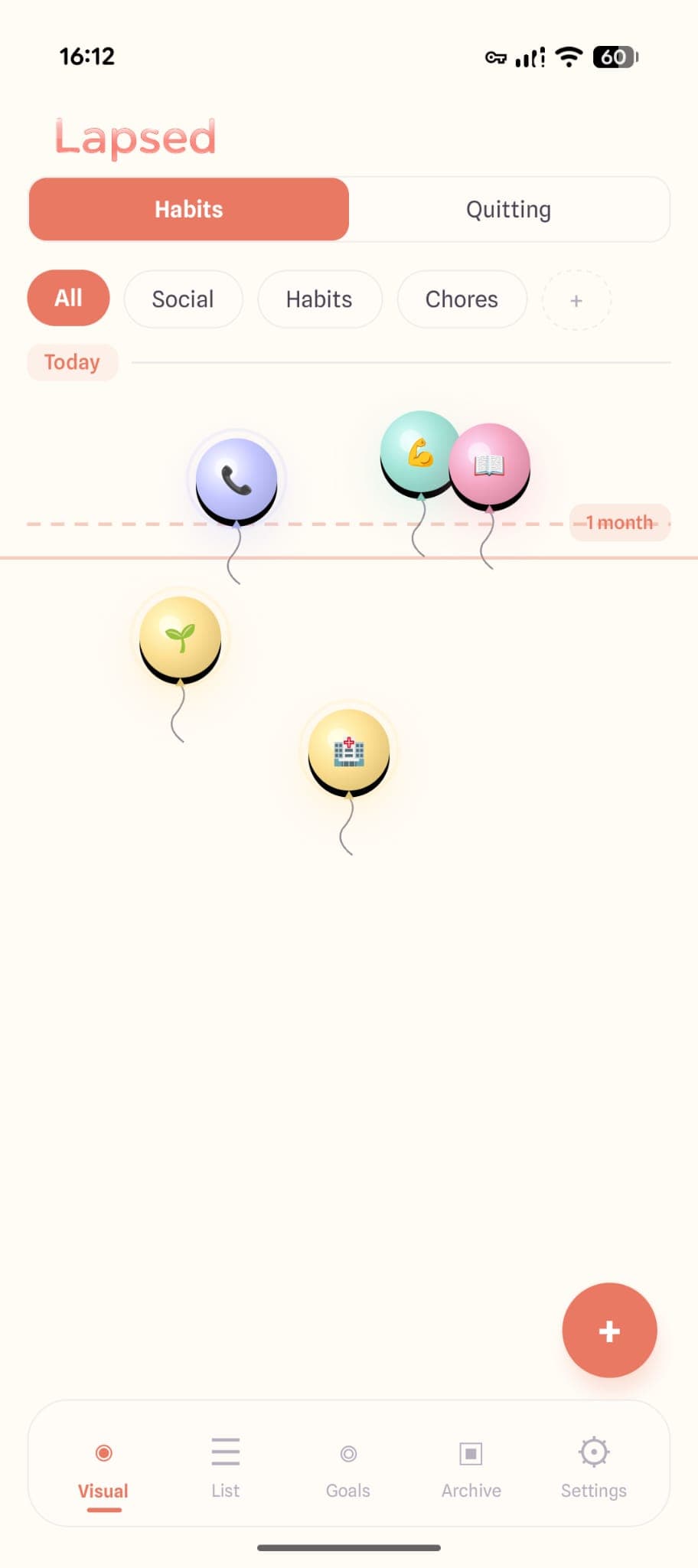
The difference between a days since tracker and a habit tracker is more than semantics. One asks 'did you do it today?' while the other asks 'how long has it been?' Here is why most people need the latter.
How to Track Irregular Habits: The App for Things You Do Not Do Daily
Most habit trackers assume daily habits. But life is irregular — dentist visits, oil changes, calling parents, plant watering. A days-since tracker is the perfect tool for periodic, non-daily tasks.
The Home Maintenance Schedule You Will Actually Keep: A Visual Tracker Approach
Air filters, gutter cleaning, appliance servicing — home maintenance tasks are easy to forget and expensive to ignore. A visual day counter makes the whole schedule effortless.